
Our Blog
What Is a Vision Board?
What Is a Vision Board?
A Practical Guide to Creating One
That Supports Your Well-being
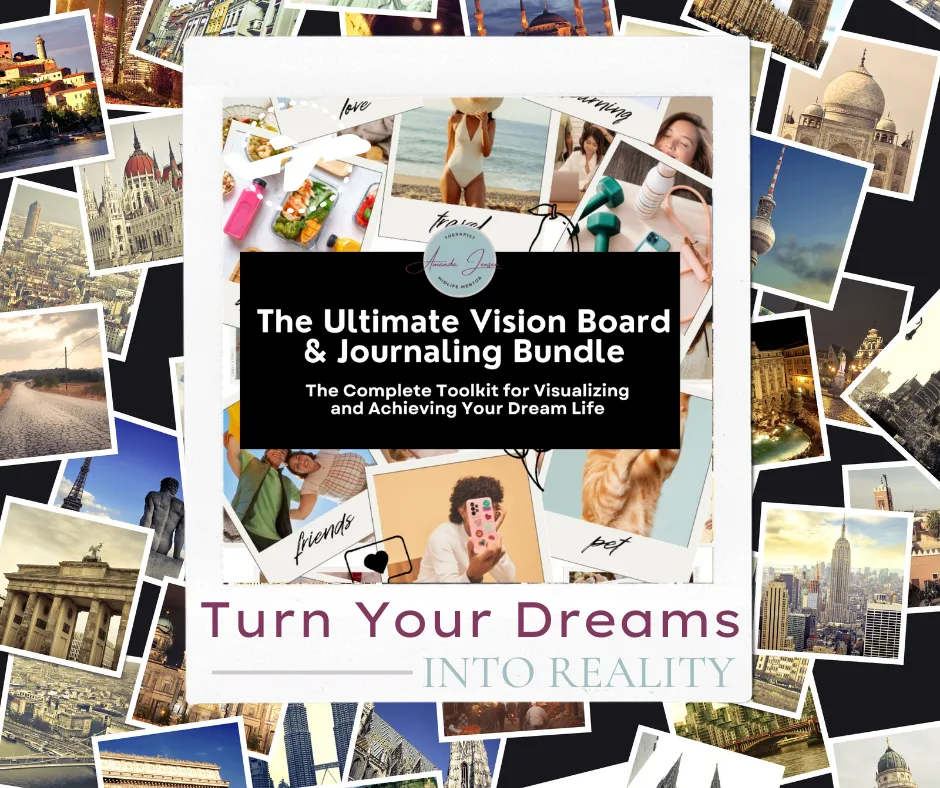
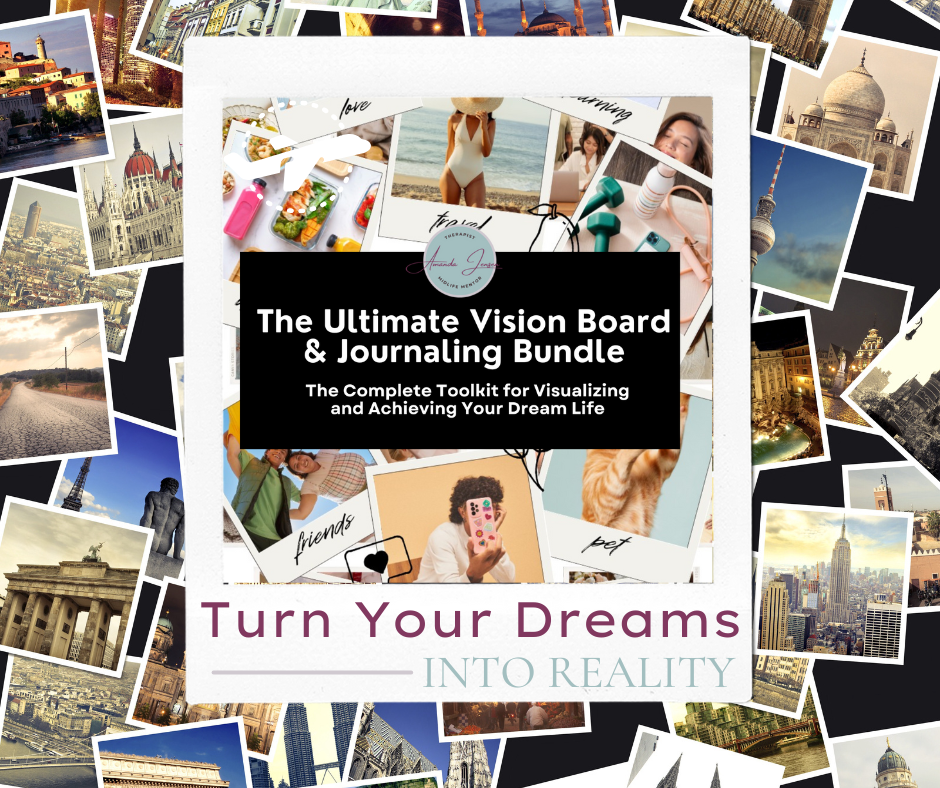
A vision board is a visual tool used to represent your goals, intentions, and the direction you want your life to move toward. It is typically a collection of images, words, and phrases that reflect what matters most to you, whether that relates to your well-being, relationships, career, or personal growth.
Rather than keeping goals abstract or internal, a vision board brings them into a visible, tangible form. This can make it easier to stay connected to what you’re working toward in your day-to-day life.
Why Vision Boards Can Be Helpful
Vision boards are often associated with motivation, but their value goes deeper than that.
They can support:
Clarity around what you want and need
Emotional connection to your goals
Consistent focus over time
Awareness of choices that align with your values
From a psychological perspective, regularly seeing meaningful images can influence what we notice and respond to. The brain naturally filters information, and when your goals are visible, they are more likely to stay present in your thinking.
This is one reason vision boards can be a useful addition to broader therapeutic or self-reflection practices.
A Grounded Perspective
It’s important to approach vision boards in a realistic way.
They are not about “manifesting” outcomes without effort. Instead, they are a tool that can help you:
Reflect on what matters
Stay connected to your intentions
Support small, consistent actions over time
In this sense, a vision board works best when it complements real-life steps and self-awareness.
Key Elements of an Effective Vision Board
Meaningful Visuals
Choose images, colours, or words that feel personally relevant. The goal is not perfection, but connection.
Focus on Feelings
Consider how you want to feel, not just what you want to achieve. For example:
Calm
Confident
Supported
Balanced
Include the Process
Incorporate images that reflect everyday actions, not just results.
For example:
A walking path instead of just “fitness”
A journal instead of “success”
A quiet space instead of “peace”
This helps ground your goals in realistic, achievable steps.
Types of Vision Boards
Physical Vision Boards
Created using paper, magazines, and printed imagesDigital Vision Boards
Designed using tools like Canva or PinterestLife Balance Boards
Represent multiple areas of life in one placeTheme-Based Boards
Focused on a specific area such as well-being, relationships, or career
There is no single “right” format; what matters is that it works for you.
How to Create a Vision Board
1. Start With Reflection
Before collecting images, take time to check in with where you are currently.
A simple way to do this is using a Wheel of Life approach.
Divide a circle into areas such as:
Physical health
Mental well-being
Relationships
Career
Finances
Personal growth
Environment
Leisure
Rate each area from 1 to 10 based on your current level of satisfaction.
This helps identify what may need more attention or support.
2. Clarify Your Direction
Instead of focusing only on outcomes, it can be helpful to explore your intentions through three simple areas:
Feel – How do you want to feel more often?
(e.g. calm, confident, grounded, supported)Focus – What areas of your life would you like to give more attention to?
(e.g. relationships, health, rest, creativity)Support – What might help you move in that direction?
(e.g. routines, boundaries, professional support, time for yourself)
This approach keeps the process realistic and centred around your current needs, rather than pressure to achieve specific outcomes.
3. Gather Images and Inspiration
You might source images from:
Magazines or books
Pinterest or Unsplash
Saved social media posts
Your own photos
Choose images that feel aligned, rather than just visually appealing.
4. Include Realistic, Everyday Actions
This is one of the most important steps.
A helpful vision board reflects:
Habits
routines
small, achievable changes
This supports follow-through and reduces overwhelm.
5. Create Your Board
Arrange your images in a way that feels natural and meaningful.
There is no need for it to look perfect. The focus is on creating something that feels engaging and reflective of your intentions.
6. Keep It Visible
Place your vision board somewhere you will see it regularly, such as:
A bedroom or workspace
Inside a journal
As a phone or desktop background
Consistency helps reinforce awareness over time.
Vision Boards and Mental Well-being
Vision boards can be a supportive tool when used alongside other reflective practices.
They may help with:
Building self-awareness
Reconnecting with personal values
Encouraging gentle goal-setting
Supporting motivation in a realistic way
For many people, this process overlaps with creative expression for emotional healing, where using visuals, colour, and imagery can help access thoughts and feelings that are sometimes difficult to put into words.
They can also be helpful during times of stress or uncertainty. When your thoughts feel scattered or overwhelming, having a visual reference point can bring a sense of structure and direction. In these moments, combining tools like vision boards with practical ways to reduce anxiety and stress can create a more grounded approach to change.
At times, you may notice a disconnect, where things appear “fine” on the surface, but something internally feels unsettled. This is often where deeper reflection becomes important. Exploring this through tools like vision boards, alongside understanding why you might feel fine but not quite ok, can help bring greater awareness to what’s beneath the surface.
They are not a substitute for professional support, but they can complement therapeutic work by creating a visual anchor for change.
FAQ
What is the purpose of a vision board?
A vision board helps you visualise your goals and stay connected to what matters most by keeping your intentions visible in your daily environment.
Do vision boards actually work?
Vision boards can be effective when combined with realistic goal setting and consistent action. They support focus, clarity, and motivation.
Can vision boards improve mental health?
Vision boards may support mental well-being by encouraging reflection, self-awareness, and intentional goal setting, particularly when used alongside other supportive practices.
Final Thoughts
A vision board is not about getting everything right or creating a perfect version of your future.
It is a simple, reflective tool that helps you stay connected to what matters, especially in the midst of everyday life, where it can be easy to lose sight of your own needs, direction, or sense of self.
Used thoughtfully, a vision board can support small, consistent shifts. It can help you notice what you’re drawn to, what feels important, and where you may want to make changes over time.
You might not act on everything straight away, and that’s ok.
What matters most is creating space to reflect, to check in with yourself, and to move forward in a way that feels realistic and supportive.
If you find that something feels unclear, unsettled, or difficult to put into words, that can often be a starting point rather than a problem to solve.


Your Healing Starts Today – Take the First Step!
You don’t have to face your struggles alone. Support, guidance, and healing are just a step away. Prioritize your mental well-being and start your journey to a healthier, happier you. We're here for you—every step of the way.
Join our Facebook community for support, friendship, guidance, mindfulness, and creativity—because you deserve a space where you feel seen, heard, and held.

Stay connected and informed. Subscribe to our newsletter for expert tips, mental wellness resources, and updates straight to your inbox. Join our community and start your journey to better mental well-being today!
Connect With Us
© Amanda Jensen 2026 All Rights Reserved.